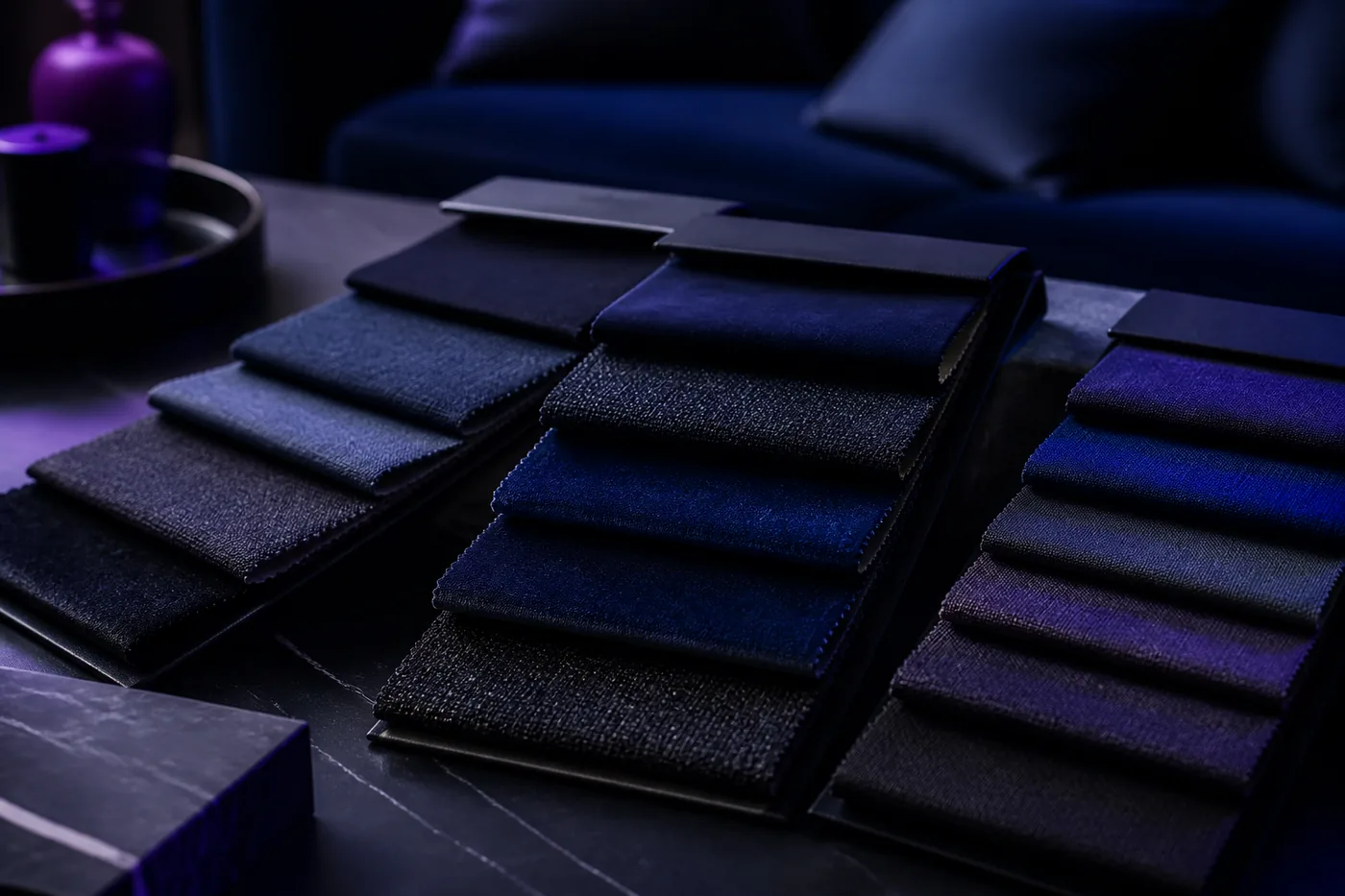
COM stands for customer's own material: instead of choosing upholstery from a furniture manufacturer's fabric card, you (or your designer) buy fabric from a textile house and ship it to the furniture factory, which upholsters their frames in your material. It's the standard mechanism behind most custom-looking hospitality furniture (the designer's fabric on a proven contract frame), and it's the single best tool a boutique project has for getting a bespoke look at standard-product prices.
We've run COM programs on hotel and restaurant projects for years. The concept is simple; the yardage math, approvals, and logistics are where projects stub their toes. Here's the whole process.
How does COM actually work?
Six steps, in the order they must happen:
- You select a frame from a manufacturer that accepts COM (most contract seating makers do, since it's routine in hospitality).
- The manufacturer quotes the COM price for that frame, typically the base upholstered price minus their fabric or a stated "COM price" in their price list. They'll also give you the yardage requirement per unit.
- You submit the fabric for approval before ordering it in quantity. The factory checks it's suitable: upholsterable weight, stable weave, workable stretch, and appropriate ratings for your use.
- You order the fabric from the textile supplier with overage (more on that math below), shipped to the furniture factory, tagged with your PO number and sidemark. Untagged fabric in a factory receiving bay is how orders go missing for weeks.
- The factory confirms receipt and yardage. Production lead time usually starts here, not at your fabric order.
- CFA discipline throughout: for dye-sensitive fabrics, get a cutting for approval from the actual dye lot before the mill ships. Dye lots vary; sixty chairs in two slightly different blues is a mistake you only make once.
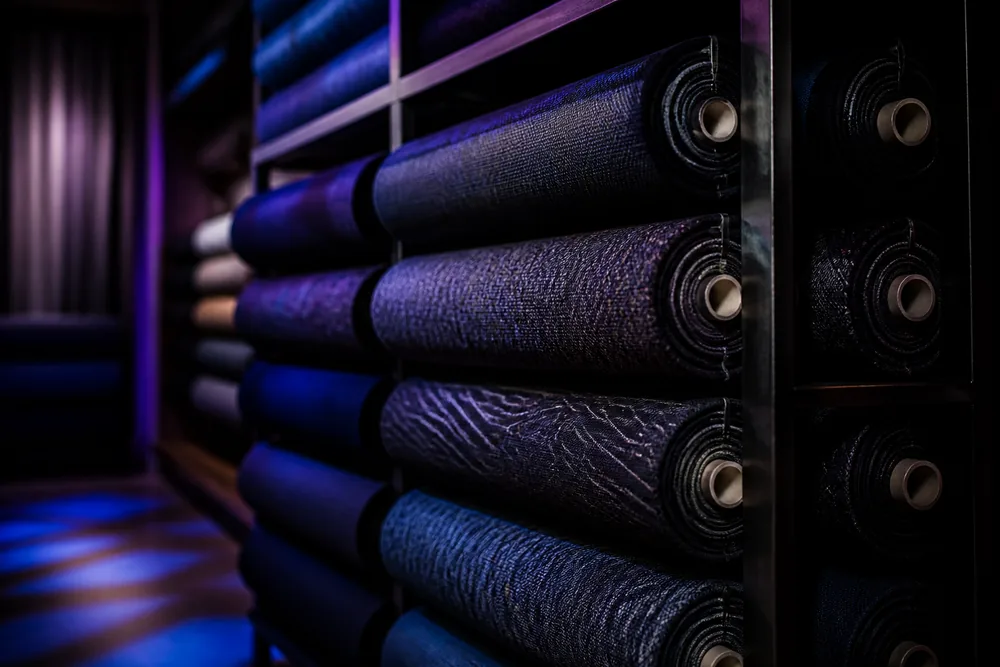
How much yardage does COM take?
Manufacturer spec sheets state the requirement per frame (always trust their number over any rule of thumb), but for budgeting, typical requirements in 54-inch plain fabric:
- Side/dining chair (upholstered seat only): 0.75–1 yard
- Side chair, seat and back: 1.5–2 yards
- Fully upholstered guest/lounge chair: 5–7 yards
- Club chair with ottoman: 7–9 yards
- Two-seat sofa / settee: 10–12 yards
- Full-size sofa: 14–18 yards
- Booth/banquette: figure roughly 1 yard per linear foot of seat for seat-and-back upholstery, then let the fabricator quote it properly
Then the two adjustments everyone underestimates:
- Pattern repeats add waste. The stated yardage assumes plain fabric. A pattern with a vertical repeat adds roughly 10–25% (bigger repeat, more waste), because every panel must be cut to match. The factory will state the adjusted requirement once they see the repeat. Ask before you buy the fabric, not after.
- Railroading changes the math. Fabric applied "up the roll" versus railroaded (turned 90 degrees, pattern running along the roll) affects both yardage and which patterns are even usable on wide pieces like sofas and banquettes. Directional fabrics (stripes, velvets with nap) need this conversation up front.
And always order overage: 5–10% over calculated need, minimum. It covers cutting errors, shipping damage, and the big one: future repairs from the same dye lot. Leftover COM yardage is the cheapest insurance in commercial furniture; store it clean and dry and label it.
What fabric ratings does COM need for commercial use?
The factory upholsters what you send, but the liability for spec is yours. For commercial spaces your COM should meet contract standards: 50,000+ Wyzenbeek double rubs for general commercial use (100,000+ for heavy-duty settings), California TB 117-2013 flammability at minimum (some occupancies require TB 133, so ask your fire marshal, not your fabric rep), and a cleaning code your housekeeping chemicals can honor. The full ratings decoder is in what commercial grade actually means.
The classic boutique-project heartbreak: the designer falls for a residential-only textile, the project buys 200 yards, and then someone checks the double rubs. Beautiful fabric, eighteen-month lifespan on a dining chair. Check ratings before money moves, or ask the mill about a "contract version," which often exists.
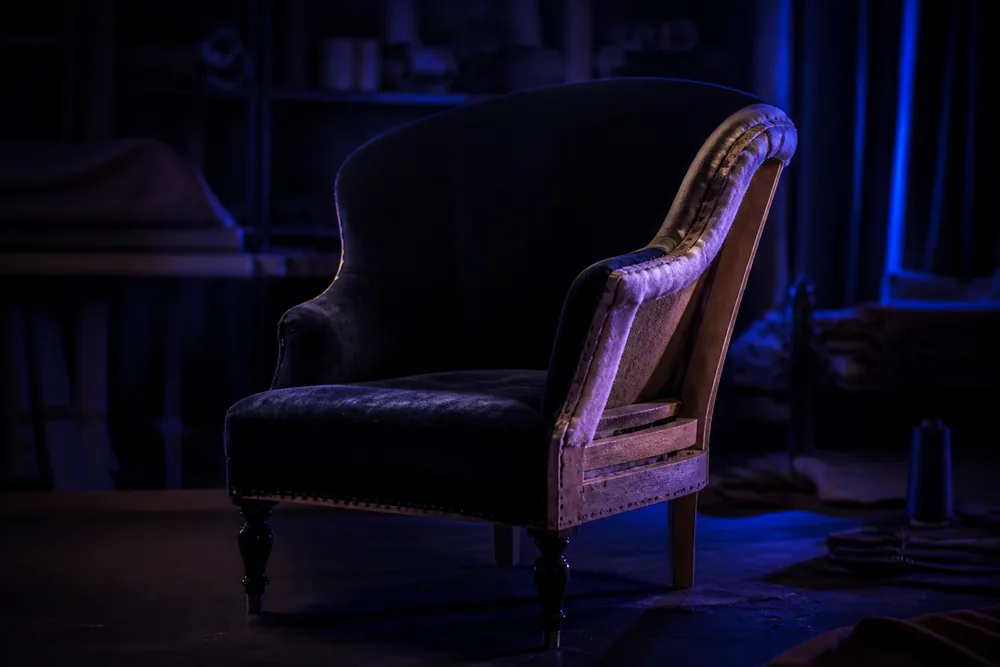
Is COM cheaper or more expensive?
Both, honestly, depending on the comparison:
- Versus the manufacturer's graded-in fabric program: manufacturers price their upholstery in fabric grades (A through F or similar, ascending). If your chosen fabric would grade high on their card, buying it yourself as COM is often cheaper. You're cutting out the furniture maker's fabric margin. If you'd have picked a Grade A basic anyway, COM usually costs more once you add fabric freight and your own coordination time.
- The real reason to use COM isn't price. It's control. Exact color across mixed seating types from different factories, a signature print nobody else has, continuity between drapery and upholstery. That's what boutique and branded projects actually buy with COM; the strategic version of that argument is in the boutique hotel furniture guide.
What are COL and graded-in fabric?
Three cousins of COM that show up in the same conversations:
- COL (customer's own leather). Same mechanism, hides in different math: leather sells by the square foot, not the yard, and the conversion is roughly 18 square feet of leather per yard of 54-inch fabric, before waste. Hides are irregular, scars and brands get cut around, so leather waste runs meaningfully higher than fabric waste; factories commonly quote COL requirements 20–40% above the naive conversion. If a quote's COL number looks inflated versus your yardage arithmetic, it probably isn't. That's the hide talking.
- Graded-in fabrics. The manufacturer's own fabric card, priced in ascending grades (A, B, C…). The unglamorous truth: for standard projects, a well-chosen graded-in fabric is less coordination, one PO, one warranty holder, and often faster, since the factory already stocks it. COM earns its complexity when you need a specific material or cross-vendor color continuity, not as a default flex.
- "COM approved" lists. Many textile mills publish which furniture makers have already approved their contract lines, and manufacturers keep lists of pre-approved mills. Starting a fabric search inside those lists can save the whole approval round-trip, so ask both sides before falling in love with an outlier.
One warranty note that applies across all of these: with COM/COL, the furniture maker warrants the frame and the workmanship, and the fabric's performance is between you and the mill. Keep both spec sheets in the project file, because three years from now nobody will remember who owned what.
What goes wrong with COM orders?
Our scar list, in frequency order:
- Fabric arrives late, production slot is lost. The factory queues your order when fabric lands. Fabric mills have lead times too. Order the textile as early as the frames.
- Yardage short because nobody adjusted for the repeat. Now you're buying a second dye lot that doesn't quite match the first. See: CFA discipline.
- Unmarked rolls in a factory warehouse. Sidemark every roll with the PO and model number. Factories receive tons of fabric weekly.
- Approval skipped, fabric unsuitable. Too stretchy, too loose a weave, backs the wrong way. The factory upholsters it under protest with the warranty on the fabric's performance quietly voided. The approval step exists to protect you.
- No overage ordered. Three years later, one damaged seat, discontinued fabric, no spare yardage. The whole dining room now ages toward its mismatched chair.
The short version
COM puts your fabric on a proven contract frame: get the factory's yardage number, adjust for repeats, order 5–10% overage from one dye lot, submit for approval before buying in bulk, sidemark every roll, and spec contract-rated textiles from the start. Do those six things and COM is the best custom-look value in commercial furniture.
If you want help running the math, or you'd like us to quote frames that take COM and coordinate the whole fabric dance, send us the details. Yardage arithmetic with a pattern repeat is, no exaggeration, one of our favorite parts of this job.