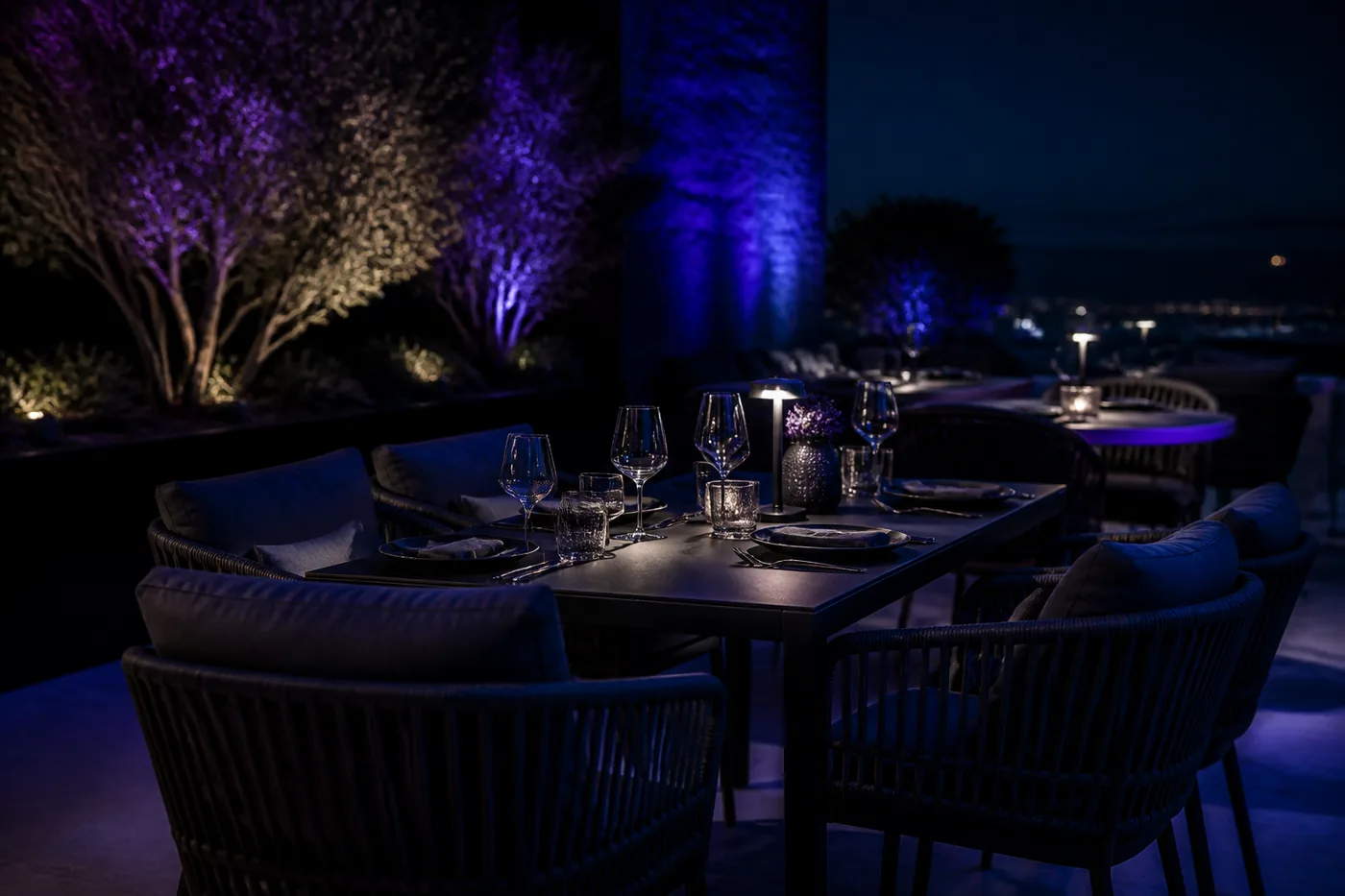
The difference between contract and consumer outdoor furniture is simple to state and expensive to ignore: consumer outdoor furniture is engineered for one family's weekends; contract outdoor furniture is engineered for every guest, every day, all season — and only one of them is warranted the moment it lands on your patio. The big-box set costs a third as much and, in genuine commercial service, typically survives one season, sometimes two. We've watched the full lifecycle from both sides of the purchase order — as the supplier who spec'd the good stuff and as the team called after the cheap stuff failed — so here are the differences that matter and the math that settles it.
Why does consumer outdoor furniture fail so fast on a commercial patio?
Because commercial duty is a different physics problem:
- Cycles. A residential patio chair gets sat in a few hundred times a year. A restaurant patio chair takes thousands of sit-downs, drag-outs, and lean-backs per season. Fasteners loosen, welds fatigue, and slings stretch on a schedule set by cycles, not years.
- Handling. Commercial furniture gets stacked nightly, dragged across concrete, hosed down, and rearranged by staff in a hurry. Consumer product is designed to be placed once and admired.
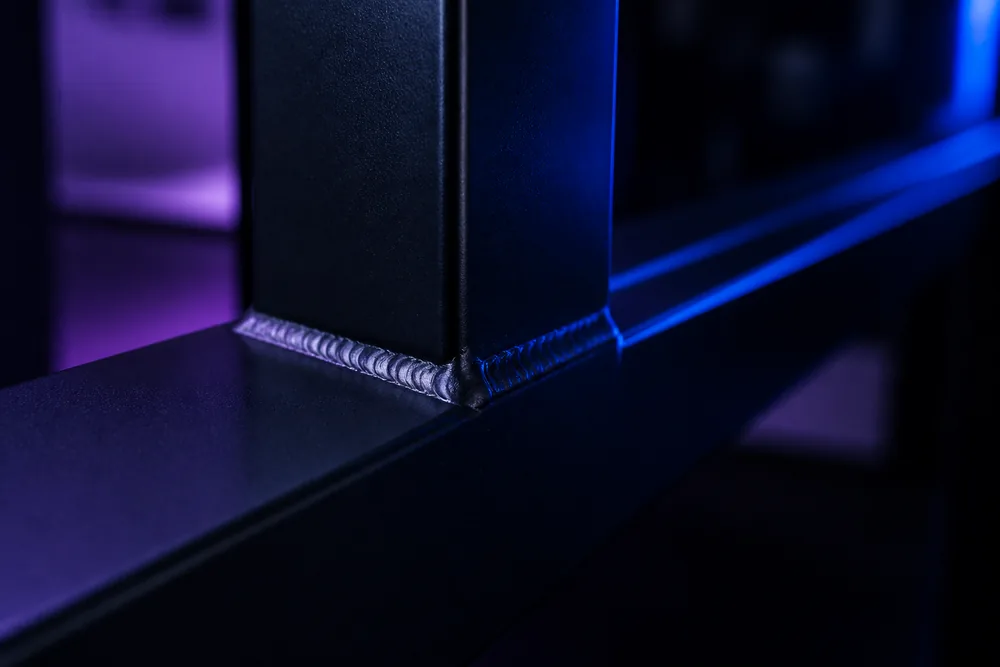
- Frames. Consumer aluminum runs thin-wall tube with bolted plastic corner fittings; contract product runs heavier-gauge, often welded, with metal-to-metal joinery and commercial powder coats. You can feel the difference lifting one chair of each — the consumer chair flexes in your hands.
- Fabrics and surfaces. Consumer cushions use printed polyester that fades in a season and foam that drinks water. Contract product uses solution-dyed acrylics (the color goes through the fiber), vinyl-coated mesh slings, and quick-dry foam. The commercial-grade decoder ring — what to demand in writing — is here.
- Repairability. This one is underrated: contract outdoor lines sell replacement slings, glides, and hardware for years. When a consumer set breaks, the answer is a dumpster, because there are no parts and next year's version is a different SKU.
What does the warranty fine print actually say?
Read the consumer warranty and you'll find the sentence that decides this whole comparison: coverage excludes commercial use. Nearly every residential outdoor brand voids the warranty the day the furniture enters a business. So the true comparison is never "$89 chair with warranty vs $260 chair with warranty" — it's an $89 chair where you are the warranty versus a $260 chair with a written 2–5 year commercial warranty behind it. Contract warranties also come from suppliers set up to ship you sixteen replacement slings, not from a seasonal aisle that reset in February.
Show me the cost-per-season math
Gladly — this is the part we put in front of owners. Take a 60-seat restaurant patio, chairs only:
Consumer route: 60 chairs at $90 = $5,400. In real commercial service, expect meaningful failure in season one and full replacement by season two — call it a two-season life with mid-season patching. That's roughly $2,700 per season, plus staff time hunting matching replacements (the SKU is gone), plus the brand cost of a patio that looks tired by August, plus liability exposure every time a fatigued weld meets a guest. (One collapsed chair generates more paperwork than the entire furniture budget. Ask us how we know.)
Contract route: 60 chairs at $260 = $15,600. Commercial aluminum stacking chairs are honestly a 7–10 season product with sling refreshes; call it eight seasons — about $1,950 per season, with a warranty covering the early failures and parts availability for the late ones.
The "cheap" chairs cost roughly 40% more per season, before counting any soft costs. This math gets more lopsided for chaises and dining sets, where consumer construction is flimsier still — our pool-deck-specific version is in the commercial pool furniture guide.
Is there ever a case for consumer outdoor product?
We promised honest trade-offs, so: yes, three narrow ones.
- A genuinely temporary situation — a one-season pop-up, a lease expiring in ten months. If the furniture only needs to survive one summer, buy the cheap thing knowing it's disposable.
- Staff-only or truly light-duty areas — the smoke-break corner nobody sees, an office's tiny balcony.
- A decorative piece that no one sits on. Planters and accent tables don't have duty cycles.
What never qualifies: guest-facing seating at any operation planning to exist in three years. And a warning about the middle ground — "commercial grade" claims on marketplace listings are unregulated puffery half the time. Demand the weight rating, frame spec, and the words "commercial use" in the warranty; the vetting routine is in the FF&E suppliers guide.
How do I tell contract product from a listing, before buying?
The tells we check in the first two minutes, in order:
- The warranty page, commercial-use sentence. Fastest single check, as above. Covered for commercial use with a stated term: legitimate. Silent or excluded: consumer product, whatever the headline says.
- Stated weight rating and frame spec. Contract listings state ratings (250–300+ lb) and material specifics — gauge, weld construction, coating system. Consumer listings say "durable steel frame" and change the subject.
- Fabric named by system, not adjective. "Solution-dyed acrylic," "vinyl-coated polyester mesh," named performance brands — versus "weather-resistant fabric," which is a wish.
- Replacement parts sold separately. Slings, glides, hardware kits available as line items means the maker expects the product to live long enough to need them. No parts program, no long-term plan.
- Quantity pricing and spec sheets on request. Contract suppliers publish spec/CAD sheets and quote quantity breaks; consumer channels sell "sets" in quantities of one.
- The price sanity check. A genuinely contract-grade aluminum stacking armchair is hard to build, ship, and warrant for much under $150–$200. Listings claiming "commercial grade" at $60 have redefined one of those words.
None of these requires trusting anyone's marketing — they're all verifiable from documents or their absence, which is exactly how we like our purchasing decisions. Two minutes of checking beats two seasons of regret, and the listings that fail the checks fail them fast.

What should I actually buy for a commercial patio?
The default packages we'd spec, by venue:
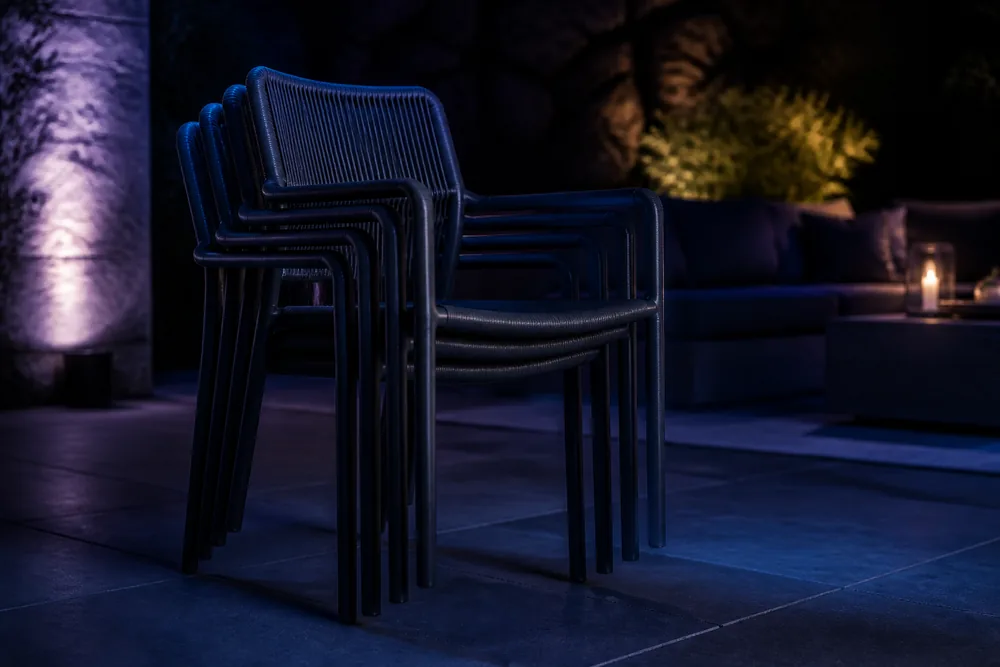
- Restaurant/cafe patio: stacking aluminum armchairs (welded frames, 300 lb rating), aluminum or reinforced-composite table bases with weather-rated tops, umbrella program with commercial bases. Stackability isn't optional — your closing crew does the stacking 200 nights a year.
- Hotel/apartment pool deck: sling chaises and HDPE per the pool furniture guide.
- Bar/brewery yard: the abuse tier — steel-reinforced or HDPE picnic-style sets, heavy enough that they don't walk away, simple enough that spills hose off.
- Winter climates: whatever you buy, confirm stack heights against your storage space before ordering, and budget covers or storage labor into the real cost.
Buy in one program with spares (5–10% on chairs), because outdoor lines turn over fast and season-three replacements from a discontinued program will not match. Volume pricing on outdoor packages steps meaningfully at a few dozen pieces — the mechanics are in the bulk ordering guide.
The short version
Consumer outdoor furniture on a commercial patio isn't a savings; it's a short-term rental with you as the maintenance department and no warranty behind it. Contract product costs 2–3x upfront and roughly 40% less per season, with parts, warranty, and a patio that still photographs well in year five.
If you're pricing a patio and the quotes have you tempted by the seasonal aisle, send us your seat count and climate first — there's usually a contract-grade package closer to the cheap number than you'd expect, and we'd rather spend an hour finding it for you than watch the two-season movie again. We know how it ends, and so does your patio.