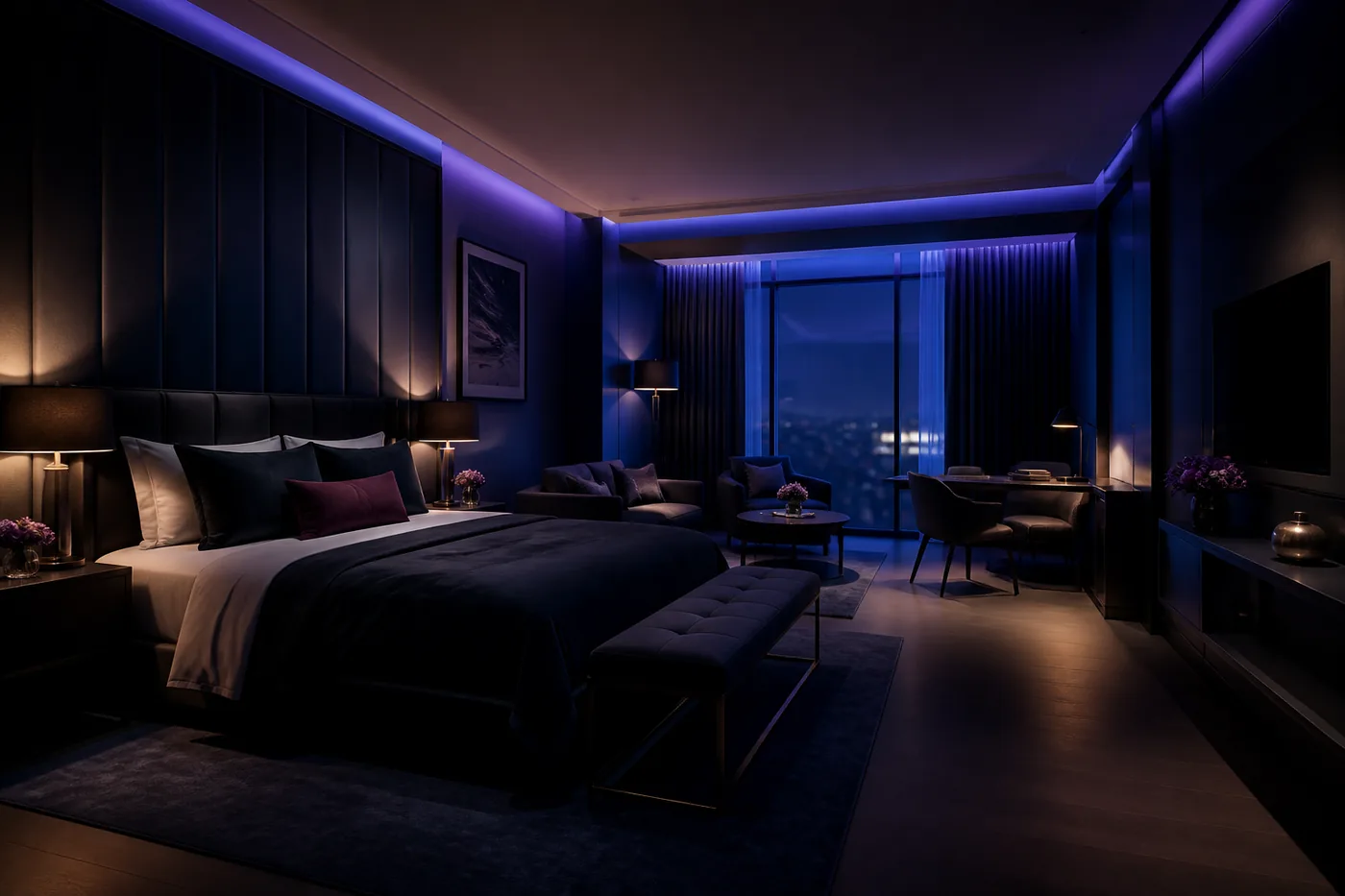
FF&E stands for furniture, fixtures, and equipment: the movable stuff a business needs to operate that isn't permanently attached to the building. Chairs, desks, tables, beds, shelving, kitchen equipment, TVs. If you could pick the building up, turn it upside down, and shake it, FF&E is roughly what falls out.
We've spent fifteen years supplying FF&E for hotels and restaurants, so we've argued about this definition in real rooms with real money attached, with lenders and accountants and business brokers. Here's the working version.
What counts as FF&E?
The core test is movability: FF&E is tangible property that isn't a permanent part of the structure. Typical examples by setting:
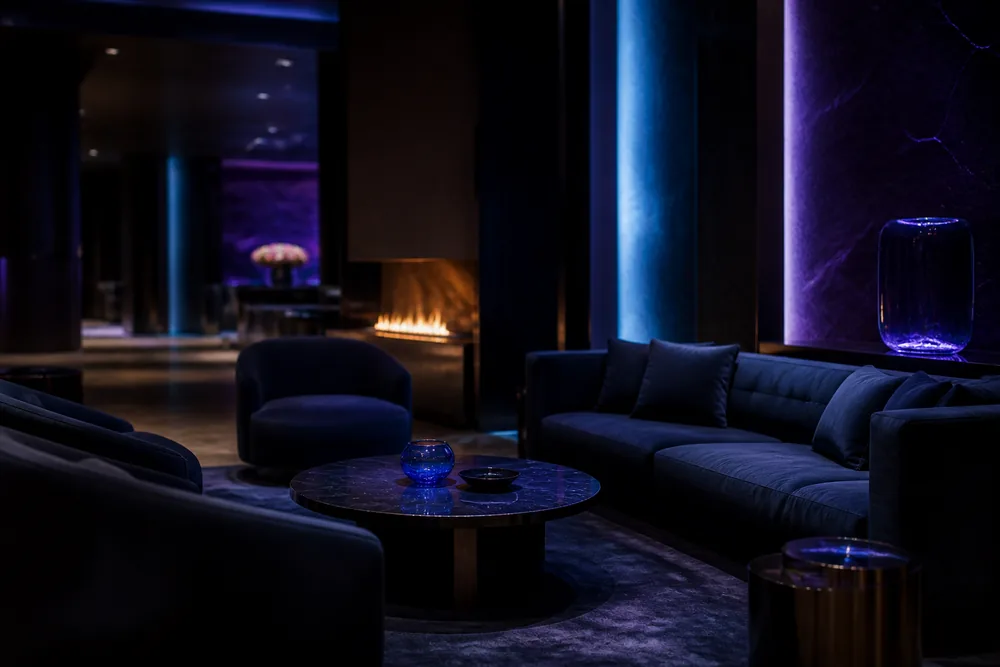
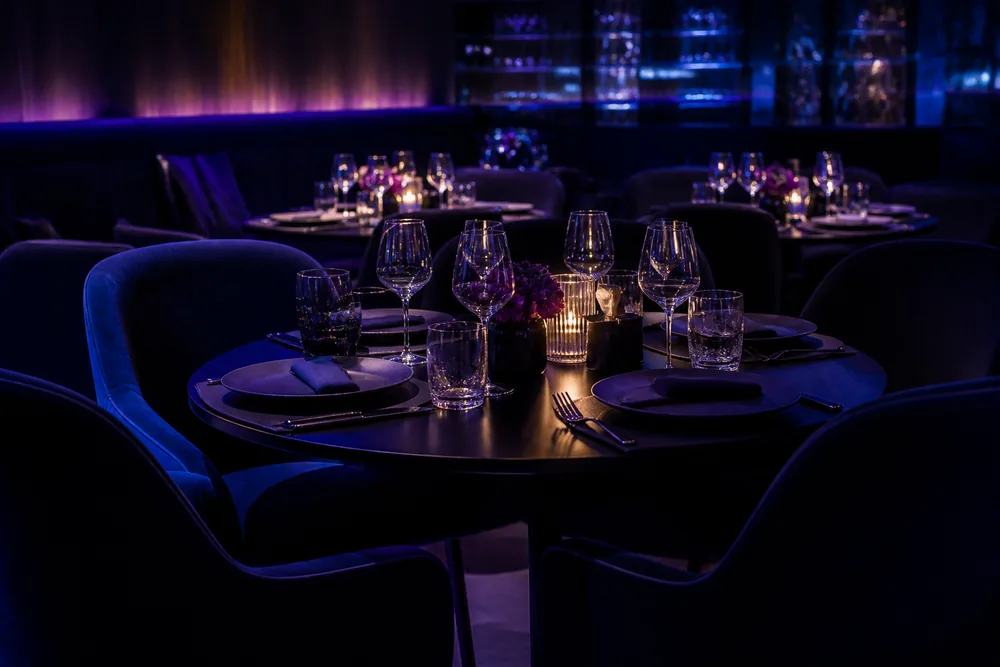
- Restaurant: dining chairs, tables, booths (mostly; see below), barstools, host stands, shelving, refrigeration, ranges, POS hardware
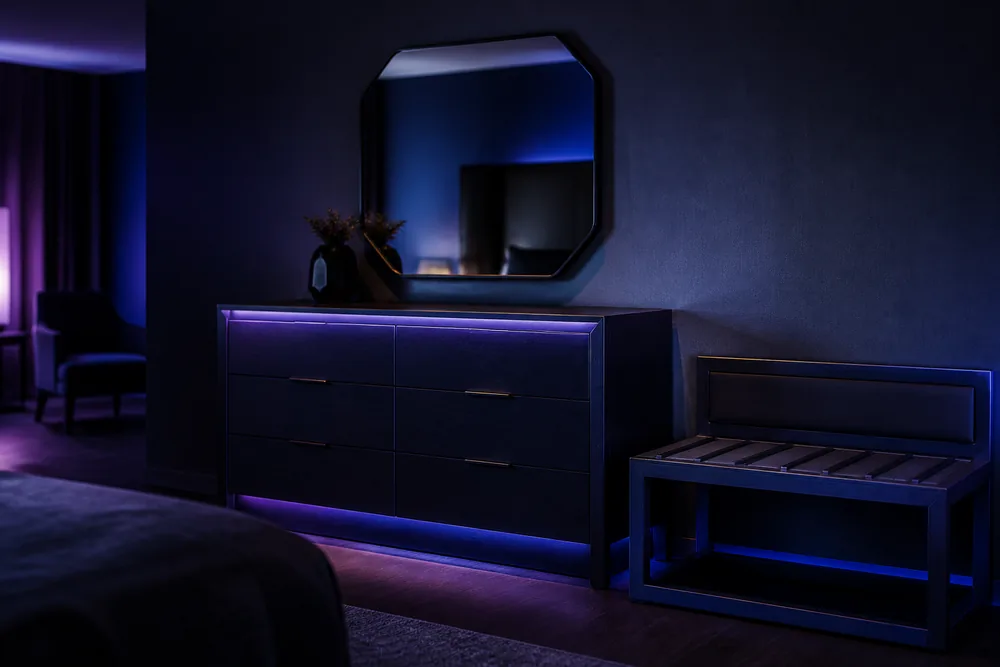
- Hotel: guest room casegoods (beds, nightstands, dressers, desks), lobby seating, lamps, artwork, TVs, banquet tables and chairs
- Office: desks, task chairs, conference tables, filing cabinets, reception furniture, monitors
What does NOT count as FF&E?
- The building and anything permanently attached to it: HVAC, plumbing, built-in millwork, flooring, wall coverings. That's real property or leasehold improvements.
- Inventory. The food in the walk-in and the goods on the shelf are inventory, not equipment.
- Small consumable operating stuff, which brings us to OS&E.
The gray zone is anything bolted down. A freestanding booth is FF&E; a banquette built into the wall by your GC is usually a leasehold improvement. A freestanding walk-in cooler is equipment; a site-built one is construction. This distinction sounds pedantic until tax time, because the two categories depreciate very differently. More on that in our furniture depreciation guide.
What's the difference between FF&E and OS&E?
OS&E is operating supplies and equipment, the small, high-count, lower-cost items a property needs to function: linens, glassware, flatware, trash bins, irons, hangers, kitchen smallwares. The practical dividing lines people use:
- FF&E items are capitalized and depreciated; OS&E is usually expensed.
- FF&E is bought in dozens; OS&E is bought in hundreds or thousands.
- FF&E survives years of use; OS&E is expected to be consumed and replaced constantly.
On a hotel project these are two separate budgets, two separate procurement tracks, and often two separate buyers. Mixing them into one spreadsheet is how line items get missed.
What does FF&E mean when buying a business?
This is where the term shows up for a lot of people the first time: a business listing says "$450,000, includes FF&E."
When you buy a business as an asset purchase, the price gets allocated across categories: typically goodwill, inventory, and FF&E. Three things we'd want you to know before you sign:
- Get the itemized FF&E list, not a lump sum. "All furniture, fixtures, and equipment" should be an attached schedule with every material item on it. If the espresso machine matters to you, it should be on the list by name. We've seen buyers discover at closing that the pizza oven was leased and the "included" walk-in belonged to the landlord.
- The allocated FF&E value sets your depreciation basis. The amount allocated to FF&E on the purchase (reported on IRS Form 8594 in an asset sale) is what you'll depreciate going forward. Buyers generally benefit from a defensible, well-supported FF&E allocation, but it has to reflect actual fair value, so get the used equipment appraised if the numbers are big.
- Used FF&E is worth less than sellers think. Rule of thumb from years of watching liquidations: used commercial furniture typically resells for 10–30% of original cost, restaurant equipment maybe 20–50% depending on age and brand. A seller carrying FF&E at anything near original cost is negotiating, not appraising.
How is FF&E treated in accounting?
Short version: FF&E purchases above your capitalization threshold go on the balance sheet as fixed assets and get depreciated over their useful life, commonly five to ten years for book purposes, and a 7-year class life under MACRS for tax. Most operators also use Section 179 or bonus depreciation to accelerate the deduction. That's a whole topic on its own, and we wrote it up separately in the depreciation guide, with the standard reminder that we supply furniture for a living and your CPA files your taxes.
One more accounting place you'll meet the term: the FF&E reserve. Hotel management and franchise agreements typically require setting aside around 4% of gross revenue for ongoing FF&E replacement, because a guest room gets renovated roughly every six to eight years whether you feel like it or not. Restaurants and venues rarely formalize a reserve the same way, but the physics are identical: chairs, booths, and table tops wear out on a schedule, and the operators who budget for it refresh on their own terms instead of the furniture's. The ones who don't end up shopping in a panic with a dining room full of wobbles, which is the most expensive way to buy anything.
Why does the definition actually matter?
Because four different people use "FF&E" and each one means money:
- Your lender carves FF&E out of the construction loan or finances it separately. Equipment financing is priced and secured differently from real estate.
- Your accountant needs the FF&E/leasehold split to depreciate things correctly.
- Your insurer covers contents (FF&E) differently from the building.
- Your franchisor or brand, if you have one, issues FF&E standards you're contractually stuck with.
On the hotel-group projects we've supplied, the FF&E budget was its own tracked document from day one (separate from construction, separate from OS&E) because every one of those four parties eventually asked for it.
Is technology FF&E? What about signage, artwork, and plants?
The edge cases, answered the way they usually shake out in practice:
- TVs, POS terminals, computers: yes, these are equipment. Many businesses track technology as its own asset category, though, because it depreciates on a faster schedule than furniture. On hotel projects the guest room TV is squarely an FF&E line.
- Artwork and mirrors: FF&E. On hospitality projects they're a real budget line with their own suppliers, not an afterthought. A 120-room hotel buys artwork by the pallet.
- Signage: exterior building signage usually rides with construction or its own sign package; interior freestanding and decorative signage tends to land in FF&E. Ask where it lives on your project, because orphaned scope is how signs end up unordered at opening. We've watched a hotel open with a paper "FITNESS CENTER" sign taped to a door for six weeks.
- Live plants: technically neither fixture nor equipment, usually bought under operating expense with a maintenance contract. Planters, though, are FF&E.
- Window treatments: FF&E on hospitality projects (drapery is a classic FF&E package), though attached hardware blurs toward improvements. Convention beats theory here: budget them in FF&E.
The pattern in all of these: the category matters less than making sure every item lives in exactly one budget. Scope that appears in two budgets gets bought twice; scope that appears in neither gets bought never, at rush freight.
What does FF&E cost?
Entirely depends on the project, but the benchmark shapes are consistent: restaurants think in dollars per seat, hotels in dollars per key, offices in dollars per workstation. We've put the honest ranges in our FF&E budget guide, and the process for actually buying it all is in the FF&E procurement guide.
If you've got a project (or a business purchase with an FF&E schedule you'd like a second opinion on), send us the list. Pricing what a pile of furniture is actually worth is genuinely our favorite kind of homework, and a second opinion before closing costs a lot less than a surprise after it.