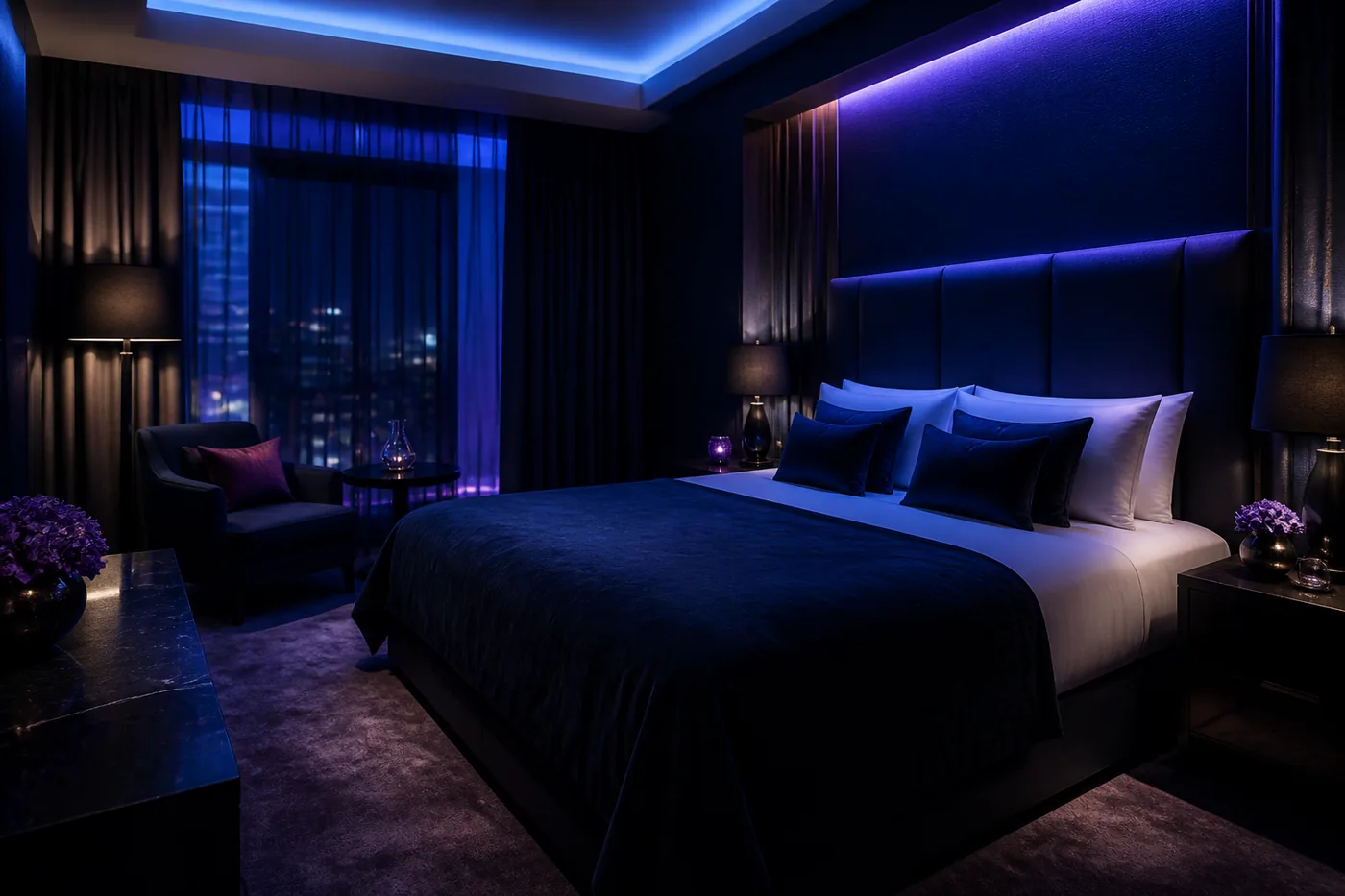
Hotel furniture procurement is FF&E procurement with three extra complications: brand standards that constrain what you can buy, quantities big enough that everything ships by container, and an opening date with a revenue number attached to every day of slip. We've supplied and managed this process for hotel groups for years, across new builds, conversions, and the renovations the franchise insists on. Here's how it works and the checklist we'd hand you if we were starting a project tomorrow.
How is hotel FF&E procurement different from just buying furniture?
Four ways that change everything downstream:
- Multiplication. You're not buying a desk. You're buying 120 desks, which means one spec mistake happens 120 times. The upside: real volume pricing. The downside: a bad chair is a bad fleet.
- Brand standards. If you're flagged (Marriott, Hilton, IHG, Choice, etc.), the brand publishes FF&E design standards and often maintains approved supplier lists. Your furniture needs brand sign-off before you order it, not after.
- The model room. On most branded projects you build one complete guest room first (real furniture, real finishes) and the brand and ownership walk it before the big POs release. Never skip this even when it's optional. Every model room we've built caught something: a desk that blocked an outlet, a nightstand that couldn't hold the lamp and a phone, drawer pulls that scratched the headboard.
- Logistics scale. A 100-key property is multiple 40-foot containers plus domestic truckloads, landing over weeks, into a building that's still an active construction site.
What's the hotel FF&E procurement process, step by step?
1. Budget by key. Hotels budget FF&E per key (per room). Get the per-key number agreed before anyone falls in love with a lounge chair. Benchmark ranges are in our hotel furniture cost guide, and the budgeting method itself is in the FF&E budget guide.
2. Confirm brand requirements. Pull the current brand FF&E standards for your flag and prototype. Confirm which items require brand-approved suppliers and which just need to meet the spec. Do this in writing; standards get revised, and "the version your architect downloaded last year" is a classic trap.
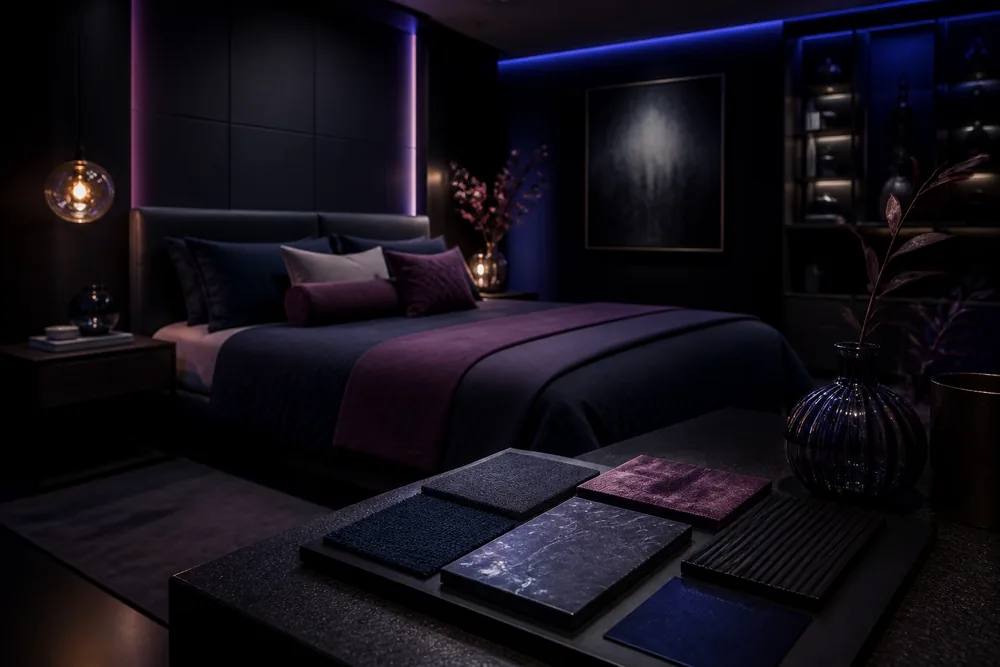
3. Build the FF&E schedule. One line per item, per room type: spec, finish, fabric, quantity (with attic stock), budget price. King rooms, double-queens, suites, and ADA rooms each get their own column. ADA rooms have their own furniture requirements (clearances, bed heights) and get forgotten constantly.
4. Bid the packages. Casegoods, seating, lighting, artwork/mirrors, window treatments, and mattresses usually bid as separate packages to different supplier types. The landscape of who makes what is in our hotel furniture suppliers guide. Compare landed cost including freight, warehousing, and installation.
5. Model room, then release. Build it, walk it, fix the spec, get sign-offs in writing, then release the production POs. Production on custom hotel casegoods typically runs 12–16 weeks overseas plus 4–6 weeks of ocean transit and drayage. Call it four to six months of calendar from PO to dock, and protect it.
6. Expedite and track. Weekly PO status across every vendor. The question that matters isn't "is it on schedule?" Everyone says yes. It's "what date did fabric arrive at the frame factory?" Specific questions get honest answers.
7. Receive, stage, install. Containers land at a receiving warehouse (or, on tight sites, cross-dock straight to floors), everything is inspected against packing lists, damage is photographed the day it lands, and installation runs floor by floor behind the construction schedule. The freight-and-install playbook is its own guide: FF&E logistics and installation.
8. Punch and closeout. Room-by-room punch list, freight claims filed inside the claim windows, warranty documents collected, and attic stock counted into a locked storage room.
What is attic stock and how much do I order?
Attic stock is your on-site spare inventory (extra casegoods pieces, fabric yardage, lamp shades, drawer pulls) bought with the original order so replacements match forever. Our working rule for guest rooms: 2–5% on casegoods and seating, plus fabric yardage for a handful of re-covers. It feels like waste on the PO and feels like genius in year three when a dresser gets water-damaged and that finish no longer exists. Discontinued finishes are not a risk; they're a certainty.
Who actually does the buying: owner, designer, or purchasing firm?
Three common setups:
- Owner-direct. Fine for small independent properties buying mostly standard product. You'll do the vendor legwork yourself.
- Designer-led purchasing. Some design firms buy what they spec. Works, but ask hard questions about markup transparency and who handles freight claims. Design talent and logistics discipline are different skills.
- Dedicated FF&E purchasing firm (or an in-house procurement lead). Standard on branded and larger projects. Fees typically run 4–8% of the FF&E spend, and on a multi-container project the freight consolidation alone usually covers it.
Whoever buys, insist on one live FF&E schedule as the single source of truth. Projects die in version seven of six different spreadsheets. (We once inherited a renovation with three "final" schedules. None matched the POs. We re-counted every room by hand.)
The pre-order checklist
Before any big PO releases, we want yes answers to all of these:
- Per-key budget approved by ownership and lender
- Brand standards version confirmed current, in writing
- Room-type matrix complete, including ADA rooms and suites
- Model room built and signed off (or a documented decision to skip)
- Attic stock quantities on every PO
- Fabric flammability and durability specs confirmed contract-grade (see what commercial grade actually means)
- Freight, receiving warehouse, and installation quoted, not "TBD"
- Deposit schedule mapped against the construction draw schedule
- Claim windows and warranty terms captured on a one-page reference
How long does hotel FF&E procurement take, start to finish?
For a typical 80–150 key branded project, the honest calendar from approved design to installed rooms runs seven to ten months:
- Spec, budget, and bid: 6–10 weeks
- Brand submittals and model room: 6–10 weeks (overlapping)
- Casegoods production and ocean transit: 16–24 weeks
- Receiving, staging, and floor-by-floor installation: 4–8 weeks
The long pole is almost always imported casegoods, which is why experienced teams release that PO first and let shorter-lead packages (seating, lighting, artwork) start later and still land in sequence. There are two calendar traps specific to hotels. First, the model room gates everything: a model room that slips three weeks slips the entire production release three weeks. Second, installation can't outrun construction, so a furniture plan built against the GC's optimistic schedule instead of their actual pace just buys you warehousing fees. We always carry 30–60 days of warehouse budget as self-defense; the delivery mechanics are in the logistics guide, and category-by-category production clocks are in the lead times guide.
Renovations compress differently: rooms go out of service in blocks of floors, furniture arrives in matching waves, and the procurement calendar becomes a revenue-management problem. Every week of slip is a floor of rooms not selling. PIP deadlines from the brand add a hard backstop. If anything, renovation timelines need more buffer discipline than new builds, with less glamour to show for it.
Where to start
If you've got a hotel project (new build, conversion, or a PIP renovation the brand just handed you), the first useful artifact is a priced FF&E schedule. That one document tells you if the budget, the brand, and the calendar can all be true at the same time.
Building those is what we do. You can read about the service on our FF&E procurement page, or just send us your room count and flag and we'll give you an honest read on budget and timeline before you commit to anything.