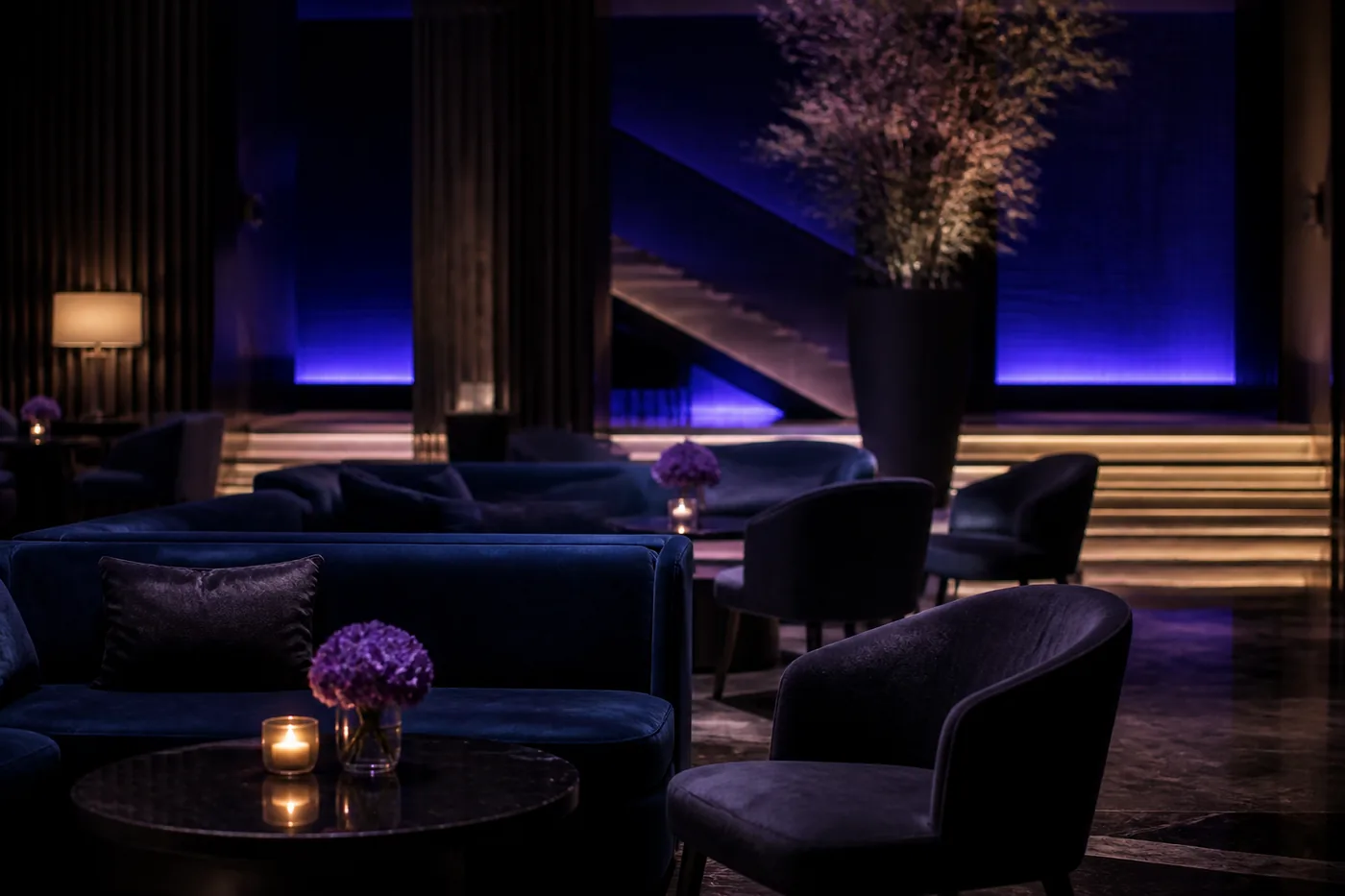
Boutique hotel furniture has one job the big flags don't ask of it: be the reason someone posts the room. No brand standards to hide behind, no prototype book — the furniture is the identity. The catch is that boutique properties usually run 40 to 90 keys, which means you're buying distinctive furniture without the volume leverage a 300-room flag brings to a factory.
We've supplied FF&E for boutique projects for years, and the ones that worked all used the same playbook: spend custom money where guests touch and photograph, use standard contract product everywhere it can disappear into the design, and never — ever — let "unique" become an excuse for residential-grade.
What makes boutique hotel furniture different?
- No brand standards — total design freedom, and total responsibility. Nobody's approved-supplier list is protecting you from a bad durability call.
- Smaller quantities — 60 nightstands, not 400. Some custom factories won't get out of bed for that; the sourcing skill is knowing who will.
- Higher design stakes per piece — a boutique lobby with generic furniture is a contradiction guests can feel.
- Same abuse as any hotel. Rolling luggage, spilled wine, guests sitting on desks. The duty cycle doesn't care about your aesthetic.
What's the best contract-grade furniture for boutique hotels?
The honest answer is a strategy, not a brand list:
Go custom or vintage where it defines the room: headboards, the lobby's statement seating, the bar front, one signature casegood piece per room. This is 20–30% of the piece count and 80% of the identity.
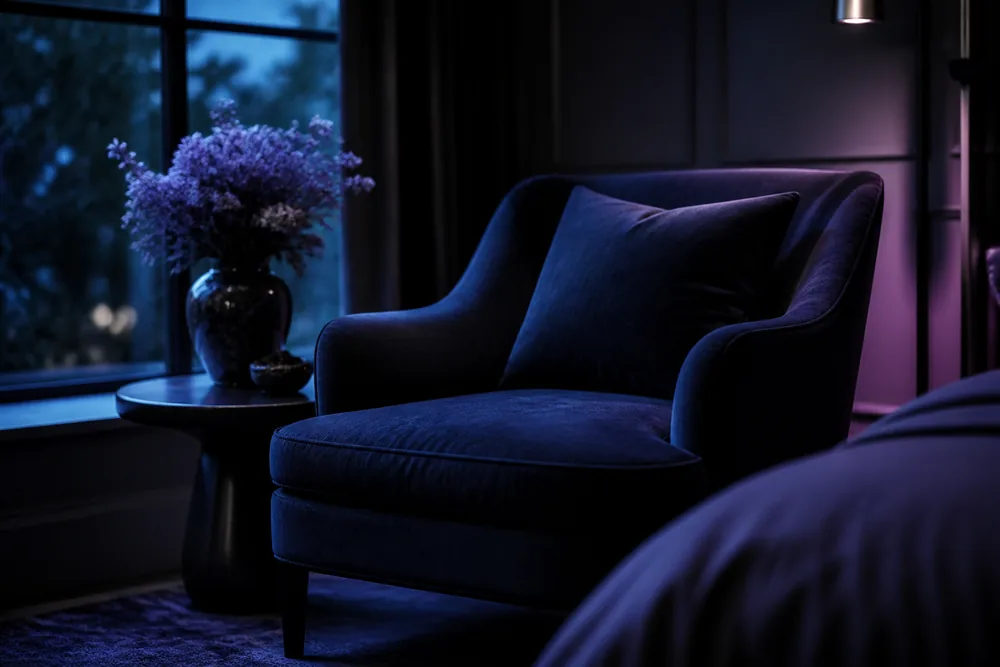
Go standard contract product where nobody can tell: guest chairs, luggage benches, desks, most tables, outdoor furniture. Contract manufacturers make genuinely beautiful standard product now, and a standard frame in a custom fabric reads as bespoke to every guest who will ever see it. A COM program — your fabric on their frame — is the boutique buyer's best weapon, and we wrote up how COM works here.
Vintage and refurbished pieces can carry real character, with two hard rules from our scar tissue: seating gets re-upholstered in contract-rated, flame-compliant fabric (original 1960s foam and fabric have no place in a public building), and anything load-bearing gets structurally checked. One-of-a-kind also means no spares — so use vintage for accents, not for the 65 desk chairs.
Whatever the source, the durability floor stays the same: contract-grade frames, commercial warranties, rated fabrics. The standards to demand are in what commercial grade actually means.
What does boutique hotel furniture cost per key?
Honest ranges for guest room FF&E on boutique projects we've seen priced:
- Value-driven boutique (clever standard product, limited custom): $10,000–$18,000 per key
- Mid-tier boutique (custom headboards and casegoods, designer fabrics): $18,000–$32,000 per key
- High-design / luxury boutique: $32,000–$60,000+ per key
Public spaces are proportionally bigger for boutiques than for flags — the lobby, bar, and restaurant are the brand — so budget them at 35–60% on top of the room total rather than the 25% a suburban select-service would carry. Full budget mechanics, including the freight-install-spares stack everyone forgets, are in the FF&E budget guide.
Where do boutique hotels actually buy furniture?
A typical winning mix across four channels:
- Hospitality contract manufacturers for seating, tables, and outdoor — standard lines, often with COM fabric programs.
- Custom casegoods factories (domestic for small runs and short timelines; overseas when quantities and calendar allow) for headboards and signature pieces. The supplier landscape is mapped in our hotel furniture suppliers guide.
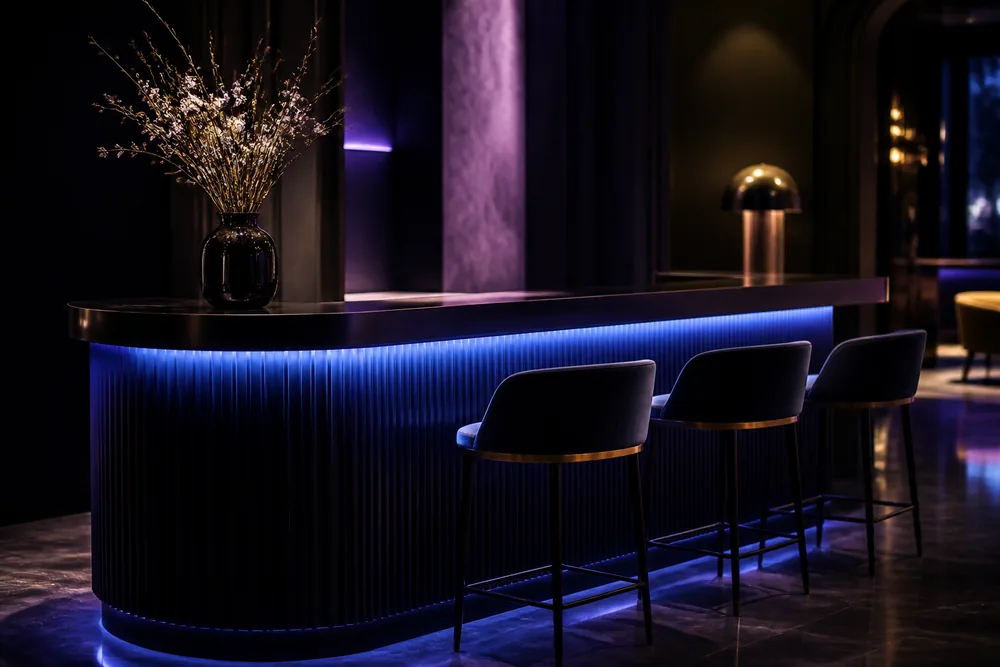
- Local fabricators and millworkers for one-off statement pieces — the reception desk, the bar. Small shops can be brilliant here, but treat them as construction subcontractors with drawings and milestones, not furniture vendors.
- Vintage dealers and auctions for accent character.
The coordination burden of four channels is real: four lead-time clocks, four freight arrangements, one opening date. That orchestration is the actual work — the process wrapper is the FF&E procurement guide.
What are the boutique-specific mistakes?
- Custom everything. A 55-room property that customs every piece pays prototype pricing 20 times over and puts every item on the longest possible lead time. Pick your shots.
- No spares on custom runs. When your custom nightstand's finish is a one-time run, ordering 2–5% attic stock isn't optional — replacement means re-commissioning a production run. This is the most expensive version of the discontinued-finish problem in the entire industry.
- Residential product because it "fits the vibe." The vibe lasts until the joints fail, roughly month eight of real occupancy. Residential warranties exclude commercial use entirely — you own every failure.
- Forgetting lead-time reality on small-batch custom. Small shops quote optimistically. A 16-week custom quote should be planned at 20+; the lead times guide covers the buffers.
- Designing fabrics before checking contract availability. Falling in love with a residential-only textile, then discovering it can't pass flammability or abrasion specs, re-starts your whole approval clock.
How do boutique lead times and logistics differ from flagged projects?
Mostly in shape, not length. A flagged project has one giant casegoods clock; a boutique project has six smaller clocks running at different speeds — the custom headboard shop at 14 weeks, the seating mill at 8, the vintage dealer at "whenever the piece sells, so buy it now," the local metalworker at optimistic-times-1.5. The coordination burden is honestly higher per key than on a 300-room flag, because nothing arrives together by default.
Three boutique-specific timeline rules we learned the annotated way:
- Buy vintage and one-off pieces immediately, store them, and design around what you actually got. Vintage doesn't restock. The reverse order — design first, then hunt for the imagined piece — burns months.
- Small shops need construction-style management. Milestone dates, progress photos, and a mid-production visit if the piece matters. A two-person workshop making your reception desk has no expediting department; you're it.
- Sequence deposits by clock length, not by excitement. The custom pieces everyone loves talking about need their deposits first; the standard product that fills 70% of the rooms can start months later and still arrive early. Full timeline mechanics are in the lead times guide, and the receiving-warehouse question matters doubly when six vendors deliver across three months — see the logistics guide.
Do boutique budgets need a model room too?
Yes — arguably more than flagged projects, because no prototype book has debugged your room for you. Build one full room early with the real pieces. Every boutique model room we've walked changed the spec: the gorgeous pendant that glared onto the pillow, the desk that didn't clear the radiator, the custom headboard that arrived two inches proud of the sconces. Cheap lessons at quantity one. Ruinous at quantity sixty.
If a full model room genuinely won't fit the budget, the minimum substitute is a tabletop version: every finish sample, fabric, and finish-on-frame sample physically together in one place under the actual lighting spec, signed off by ownership before production releases. It catches fewer problems than a built room but far more than a PDF ever will — designer renders are lit by optimism, and guest rooms are lit by whatever fixture the budget allowed.
The short version
Spend custom money on the 25% of pieces that create identity; buy beautiful standard contract product (in your fabrics) for the rest; enforce commercial-grade everywhere regardless of source; order spares on anything custom; and prototype one room before you multiply anything by sixty.
Sourcing this mix is genuinely our favorite kind of project — small enough to care about every piece, distinctive enough to be interesting. Send us your key count and your look and we'll tell you honestly which pieces deserve custom money and where standard product will disappear into your design.